
Influence Profile
No genre data available
Genre information will appear here once available
Trending in Cecil Taylor’s World
Trending Globally
No trending songs available.
Story
Quick Facts
Born
1929
1929
From
United States of America
United States of America
Journey
Cecil Percival Taylor was born in Queens, New York, where he began studying piano as a child under the encouragement of his mother. Raised in a household that valued classical music, dance, and literature, Taylor developed an early fascination with rhythm and sound that would shape his lifelong artistic vision. He later attended the New York College of Music and graduated from the New England Conservatory of Music in 1951, receiving formal training in piano, composition, and music theory.
Taylor first gained prominence in the 1950s jazz scene and quickly distinguished himself through a radical approach to the piano. Classically trained, he deliberately pushed beyond what he regarded as the restrictive boundaries of established jazz forms. Drawing inspiration from Duke Ellington while engaging deeply with European classical composition, he created a highly personal musical language marked by dense clusters, explosive rhythmic energy, and expansive improvisation. His debut album "Jazz Advance" (1956) announced this distinctive voice and established him as a major emerging figure in modern jazz.
During the 1960s, Taylor formed his most influential ensembles, frequently working with Jimmy Lyons and Sunny Murray. Landmark recordings such as "Unit Structures" and "Conquistador!" (both 1966) became foundational statements of free jazz, replacing conventional harmonic progressions with collective improvisation, texture, and dynamic interaction. He later collaborated with artists including Albert Ayler, Archie Shepp, Andrew Cyrille, Max Roach, Tony Oxley, and William Parker, expanding his work into international avant-garde and free improvisation circles.
The recognition Taylor received over the course of his career stands as one of the most decorated records in jazz history. He was awarded a Guggenheim Fellowship in 1973, an honor that acknowledged the rigor and originality of his artistic practice. The Down Beat Hall of Fame followed in 1975. In 1990, the National Endowment for the Arts named him an NEA Jazz Master, and in 1991 he received a MacArthur Fellowship. The Kyoto Prize, awarded to him in 2013, extended that recognition to an international stage, affirming the global reach of his contributions to music and the arts.
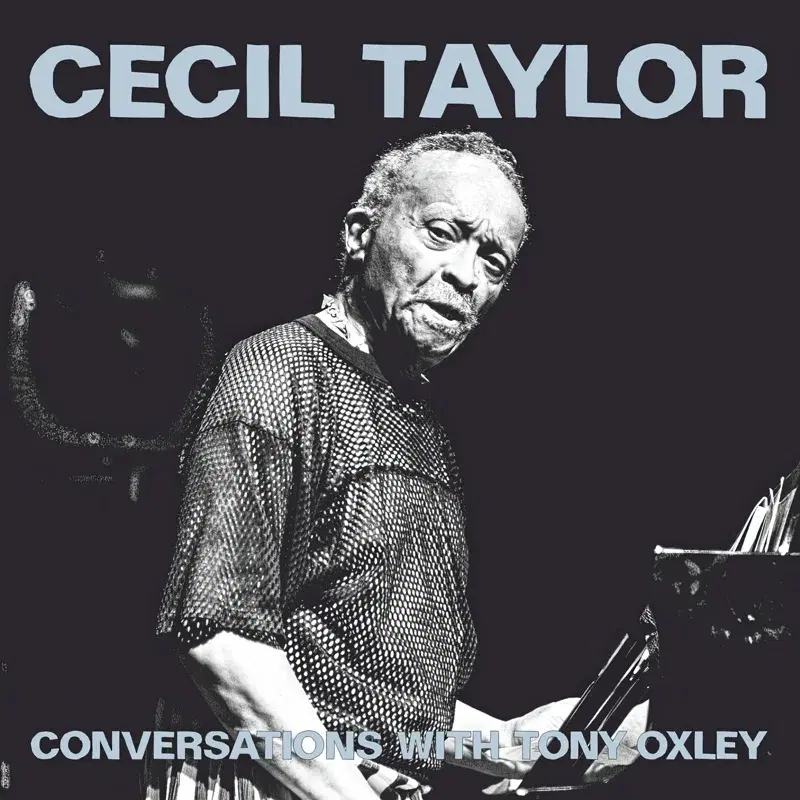
His later recordings on the Jazzwerkstatt label, including "Conversations with Tony Oxley," demonstrated his continuing commitment to spontaneous creation and experimental performance well into his eighties. Taylor remained active until his death on 5 April 2018 in Brooklyn, New York. His six-decade career transformed the possibilities of jazz piano, free improvisation, and contemporary music, and he is now regarded as one of the most influential and uncompromising artists in the history of modern jazz.